May Newsletter 2026
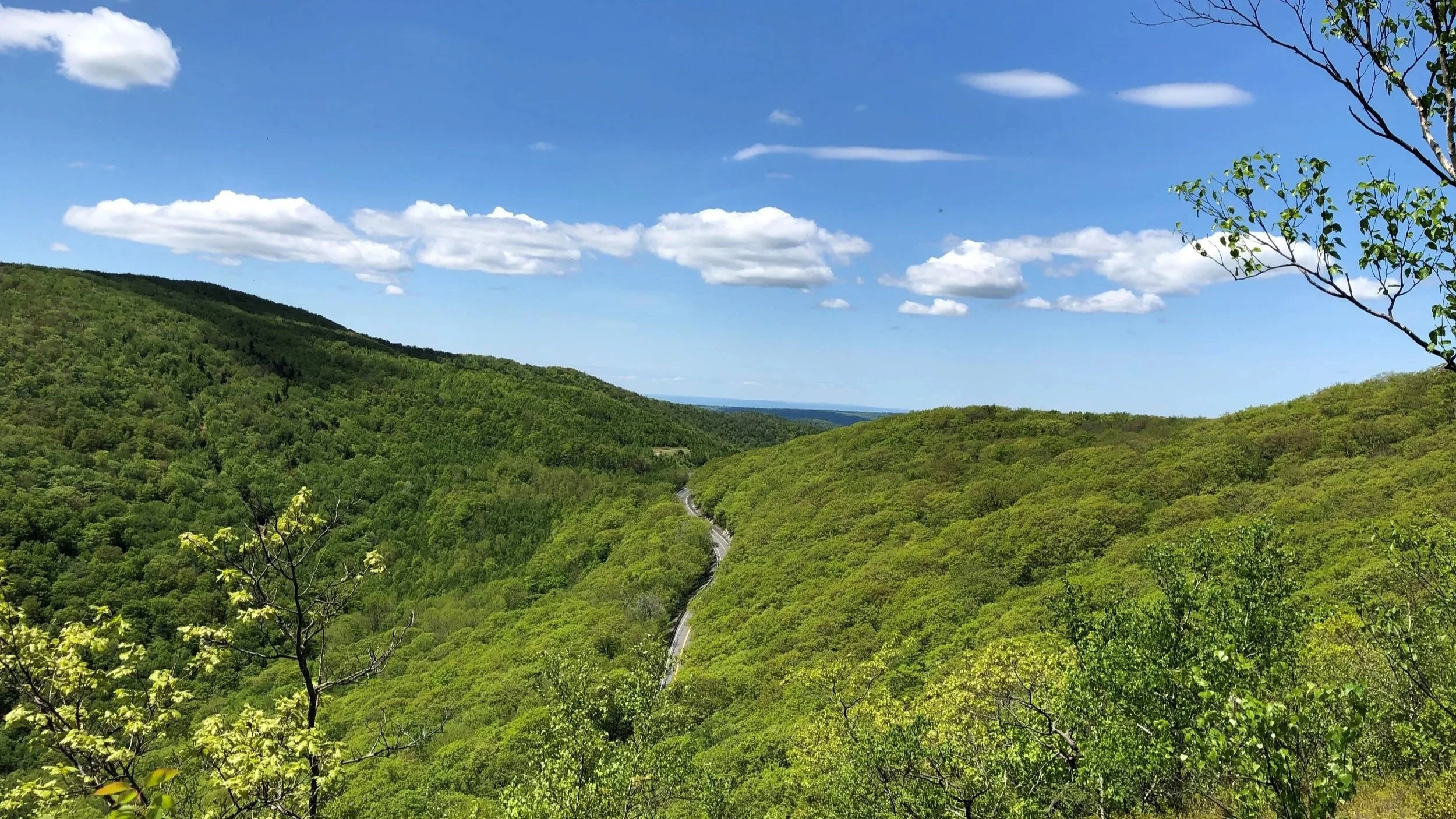
Petersburg Pass from Shepherds Well (late June), pic by M Waldman
END-TO-END CHALLENGE UPDATE
The May 9, 2026, End-to-End Challenge roster is filled, we have a full contingent of volunteers, and our trail crews have been very busy getting the trail in shape! We are ready and looking forward to another successful event!
SPRING GATHERING, GRAFTON LAKES STATE PARK (GLSP), SATURDAY, JUNE 20
Join us at the THC Spring Gathering at Grafton Lakes State Park, at the Deerfield Pavilion on Saturday, June 20. You may come for all or part of the event. Meet old friends and make new friends!
We will start with a brief meeting at 9:30 at the Deerfield Pavilion, which will include voting on the 2026 Bylaws amendments. After the meeting we plan to hike around Shaver Pond and take a side trip on the Granville Hicks Trail. You can paddle on Long Pond or stroll along the beach if you don’t want to hike.
We will meet again at the Deer Field Pavilion for a “bring your own” picnic lunch. If you cannot make the morning hike you can still join us for the picnic lunch; plan to arrive by 11:30.
After the picnic you can paddle on Long Pond, take another hike, or relax and hang out at the pavilion. Bring your own kayak or canoe; remember to bring your life vest, white light, and whistle.
BYLAWS AMENDMENTS PROPOSED
Amendments to the Taconic Hiking Club Bylaws are necessary to delete or modify procedures that have become obsolete due to improvements in the creation and maintenance of membership and financial records. The amendments also propose that the Board determine the dues amount, so any changes to dues can be made without having to amend the Bylaws each time. Members can vote on the proposed amendments during the meeting at the Spring Gathering on Saturday, June 20. You can review the sections including the proposed changes, click here to open the proposed amendments. To see the entire existing Bylaws click here.
INVASIVE SPECIES ON THE TACONIC CREST
An invasive species is a nonnative species that causes economic or environmental harm or harm to human health. Learning how to identify invasive species, using best practices to ensure that we don’t unintentionally spread them, and reporting the presence of invasive species to the proper authorities are all things outdoor enthusiasts can do to help slow and manage the spread of these unwanted plants and animals.
The Capital Region Partnership for Invasive Species Management (CR-PRISM) is a collaborative organization created to address the threat of invasive species. CR-PRISM reports that the current greatest invasive species threats in the immediate vicinity of the Taconic Crest Trail are beech leaf disease, hemlock woolly adelgid, and bush honeysuckles.
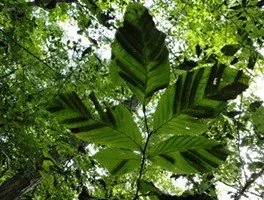
Beech Leaf Disease
Beech leaf disease is caused by an invasive nematode and infects every species of beech tree. It is considered a high threat because much of the area around the Taconic Crest Trail is of the beech-maple mesic forest type. This means that beech leaf disease has the potential to drastically alter the forest type of the Taconic Crest Trail. This disease is widespread and a risk to every beech-maple forest in the region.
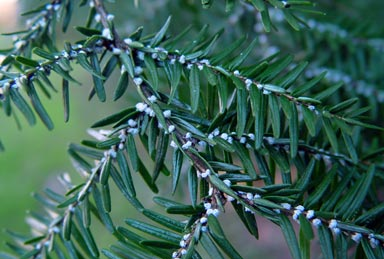
Hemlock Woolley Adelgid
Hemlock woolly adelgid is caused by an invasive insect and affects eastern hemlock trees. Hemlocks are an incredibly important native species because they are a “foundation species”. Hemlock woolly adelgid has led to the decline in hemlocks throughout the US. Although eastern hemlock is less prevalent than beech along the Taconic Crest Trail, there are verified reports of this invasive pest being present in hemlock stands near the trail.
And while not as existential of a threat as the other two, invasive bush honeysuckles continue to be a problem in many areas, including around the Taconic Crest Trail. Bush honeysuckles refer to a group of different species of invasive honeysuckles with similar traits and management techniques. They grow and expand rapidly, and their dense foliage and spreading form crowds and shades out native species, leading to dense monoculture thickets of honeysuckle.
Anyone wishing to learn more about invasive species, or report any invasive species they find can visit NY iMapInvasives (https://www.nyimapinvasives.org/), a statewide database for invasive species observations. Article by: Christiane Mulvihill
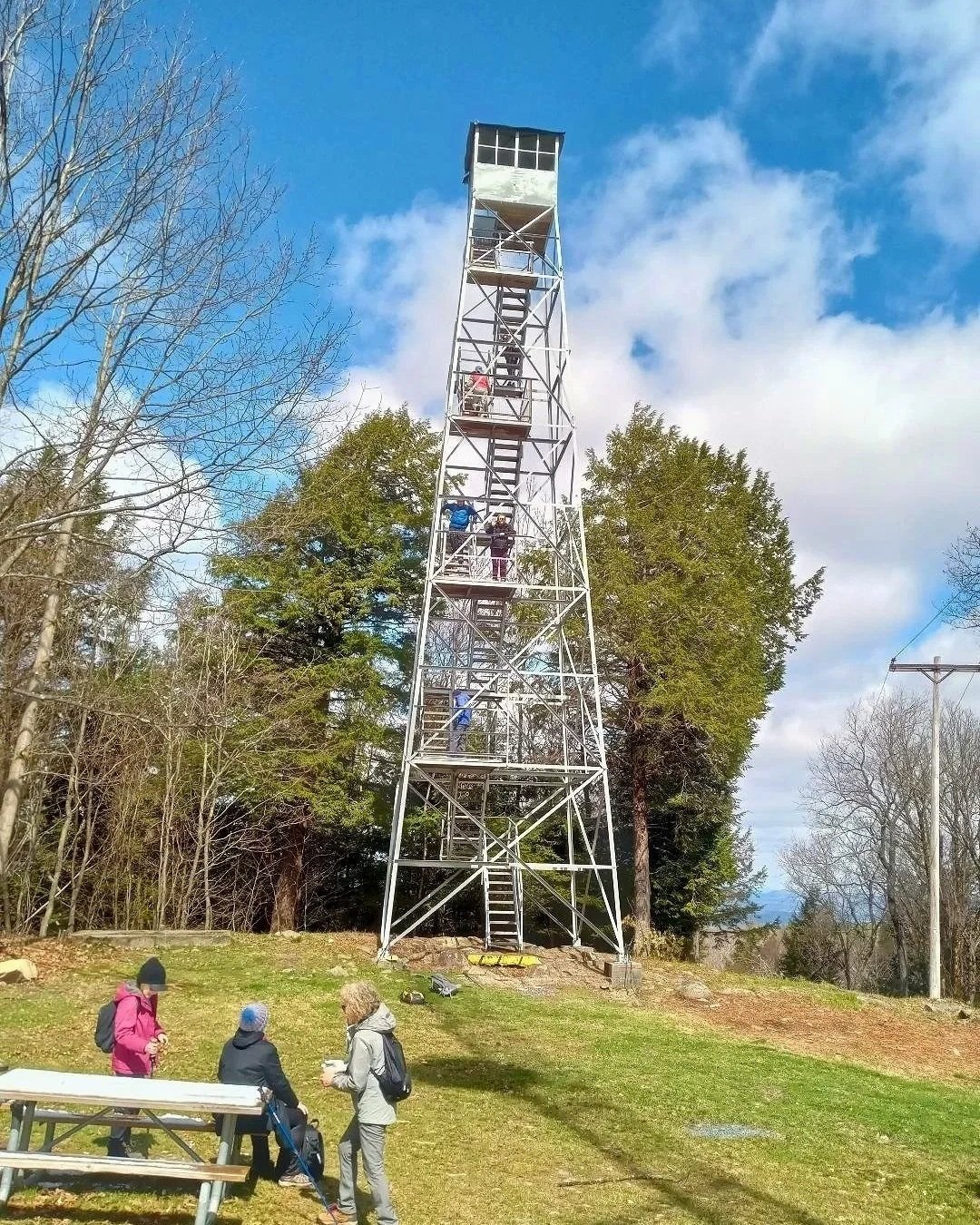
Grafton Lakes State Park, hikers enjoying views from Dickinson Fire Tower, pic by B Lampman
OUTINGS: Refer to the THC website outings page for details about the outings and how to register. We schedule on a monthly and short-term basis, so check the website periodically.
Wednesday, May 6: Albert Family Forest Spring flowers walk C/C+
Monday, May 11: Moreau Lake State Park: Lake Bonita, High Rock & Ridge Loop B
Wednesday, May 13: Round Lake Paddle C+
Friday, May 15: Yokun Ridge along a portion of The High Road, B
Monday May 18: Zim Smith Trail Bike B
Wednesday, May 27: Hopkins Memorial Forest Loops and Birch Brook Trail, Williamstown B
Wednesday, May 27: Paddle -Campbell Island / Pebbles Island
Wednesday, June 17: Olana Trails and Magnificent Views C/C+
Wednesday, June 17: Mountain Laurel Hike: Bear Mountain (Mt. Riga St Prk) Salisbury, CT, B
QUOTE: “May is the month of expectation, the month of wishes, the month of hope.”
— Emily Brontë
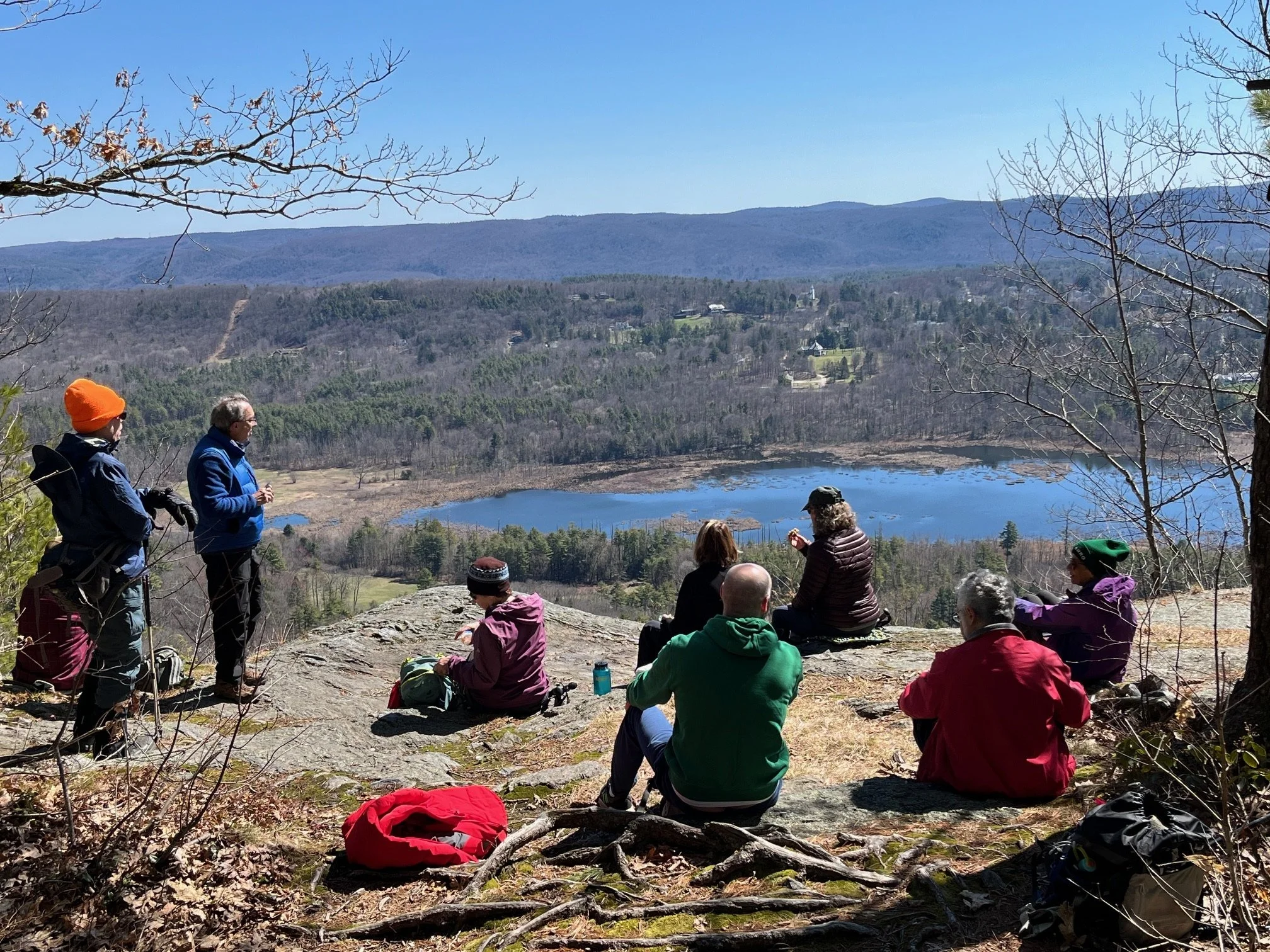
View from Kennedy Cliffs, off the Burbank trail, pic by M Waldman
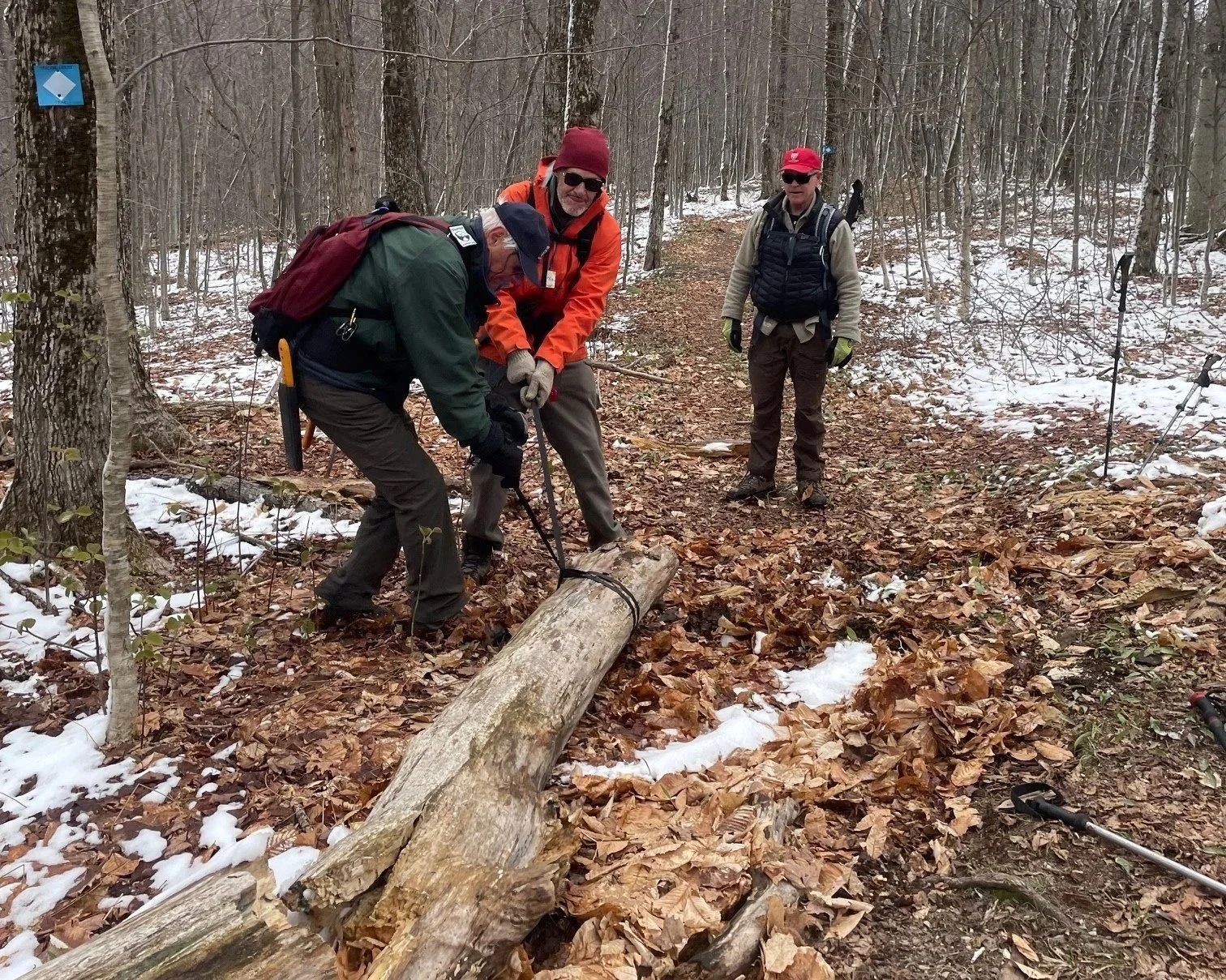
THC trail work crew at work, 4/19, pic by C Mulvihill
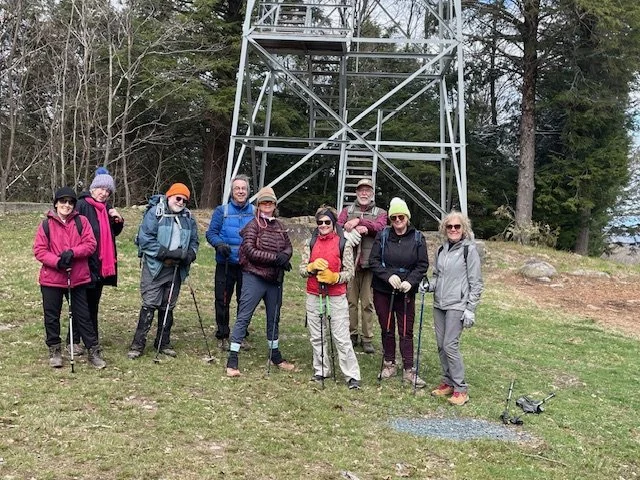
Grafton Lake State Park, fire tower, pic by J Gorman
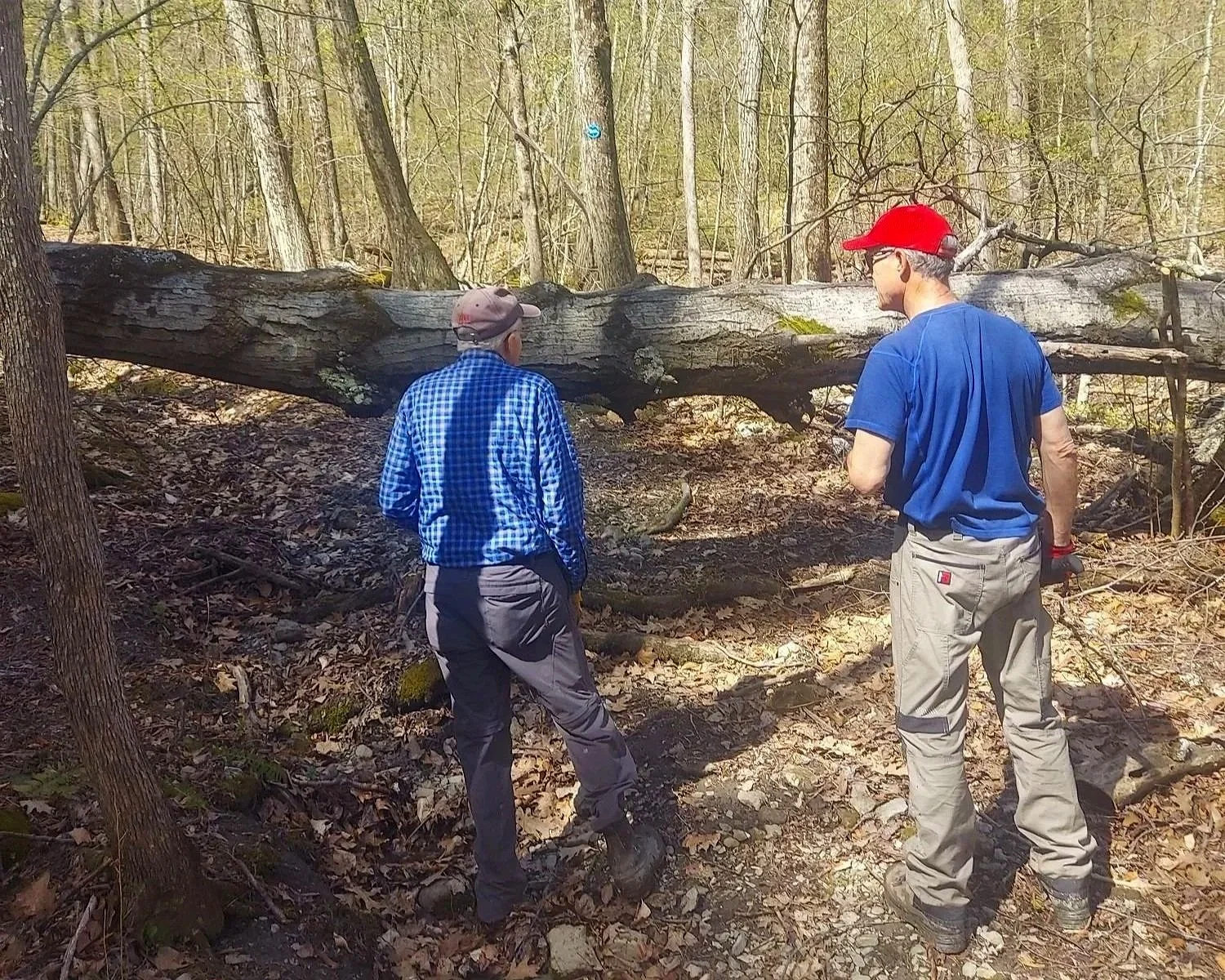
Our trail work crew assessing how to safely remove the tree trunk. Pic by M Boucher
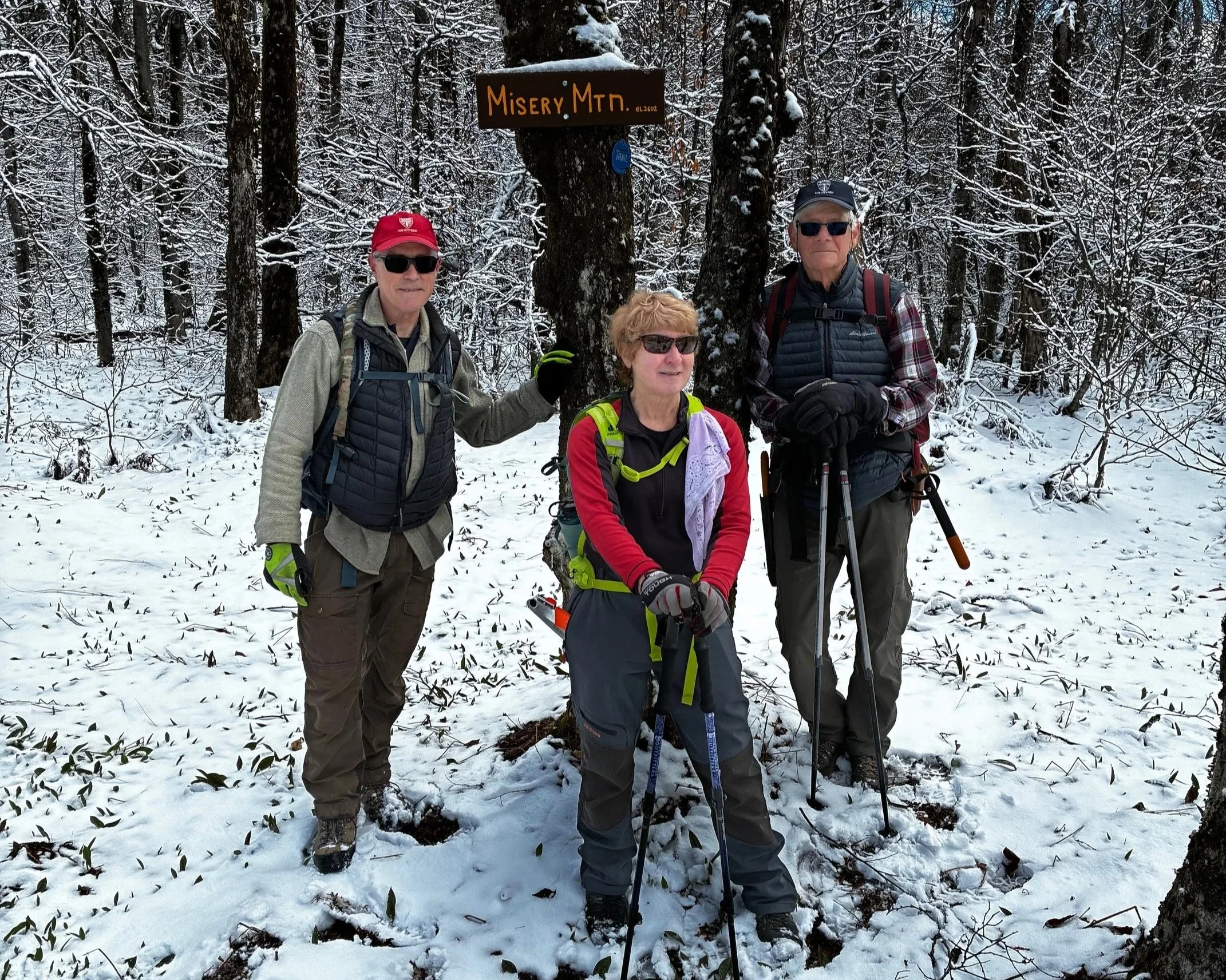
Trail work crew on Misery Mtn, yes snow on 4/19, pic by D Pisaneschi
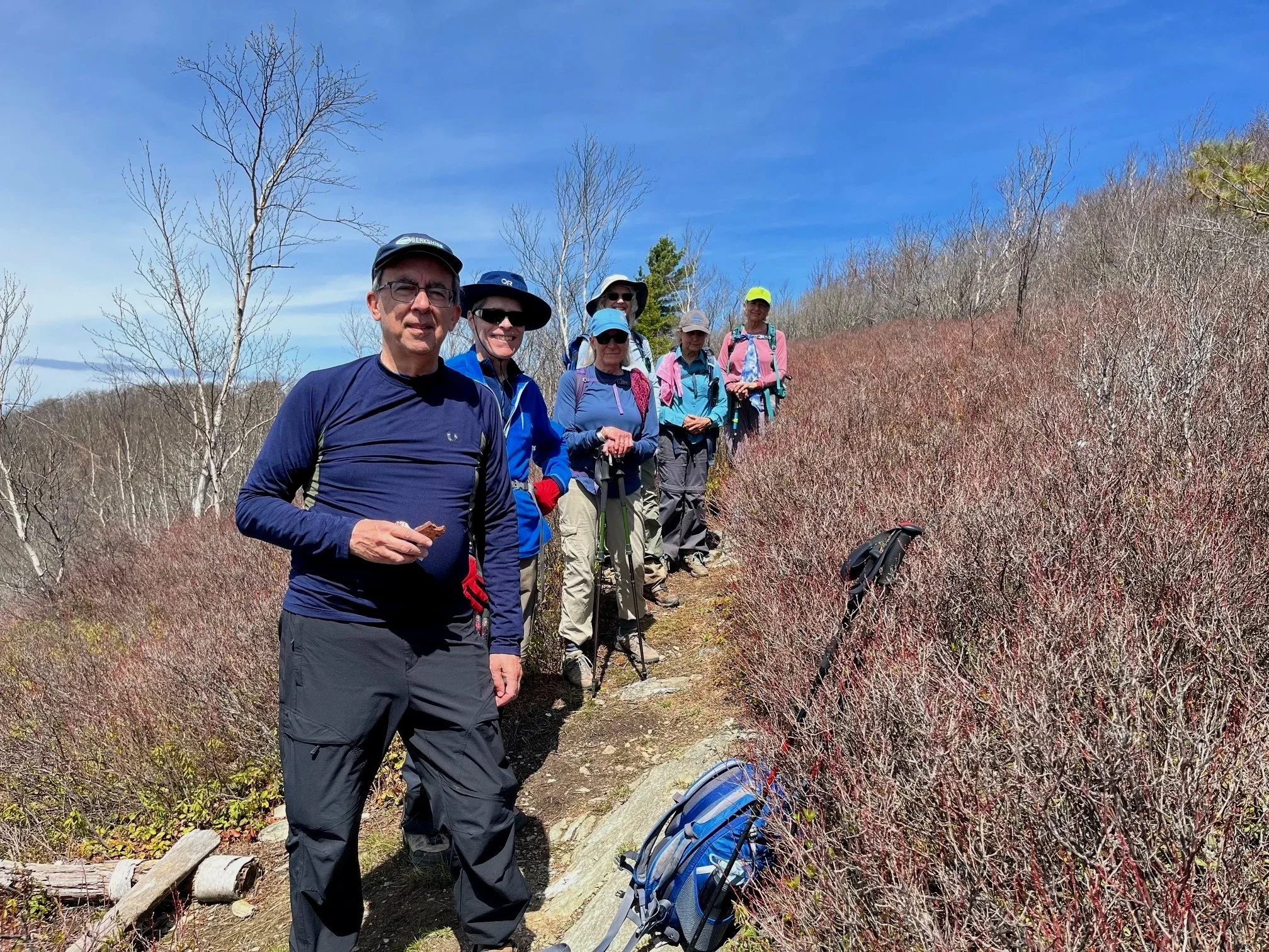
On the Shepards Well trail, pic by M Waldman