January Newsletter 2026
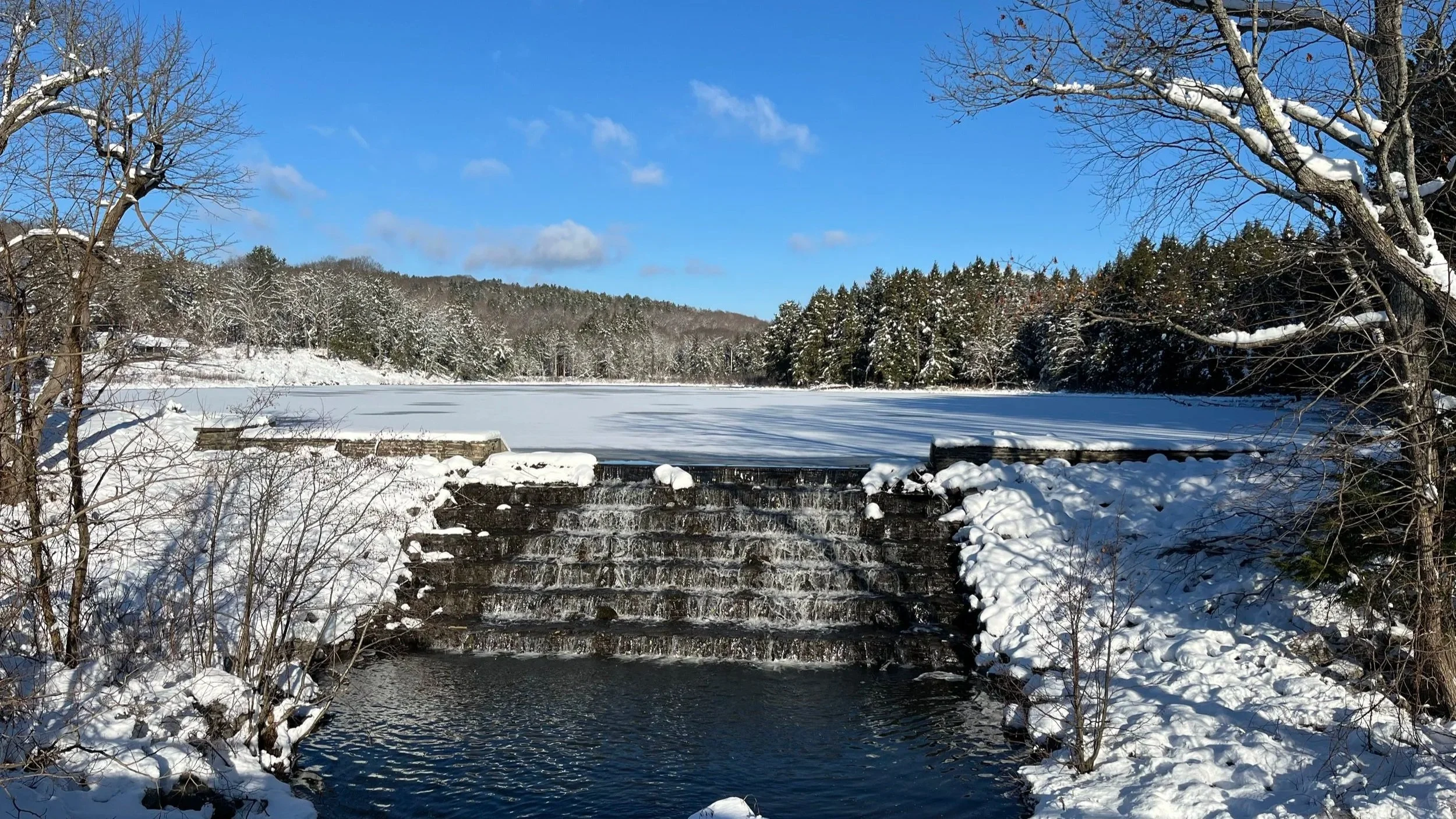
Lincoln Pond, Huyck Preserve, pic by M Waldman
HAPPY NEW YEAR!
2025 IN REVIEW
The New Year is finally here, and we extend greetings to our members for a safe and healthy year to come. We thank you for renewing your memberships and supporting the work we do to maintain our signature trail, the 37-mile-long Taconic Crest Trail (TCT), and to partner with other organizations to preserve and protect the Taconic Range. We hope to see you on an outing or a volunteer work effort in 2026.
The Taconic Hiking Club (THC) has been very productive in 2025. Here are the highlights of our activities and achievements.
We completed the year with a strong 230 members.
Our outings volunteers offered 71 outings during the year, including hikes, snowshoes, cross-country skiing, cycling, and paddling. This is about the same as the 72 we offered in 2024.
Our trail workers worked extremely hard on the trail and recorded an inspiring total of 662 trail work volunteer hours. This is above average for a typical year. It includes the creation of a DEC approved reroute just south of Phil’s bench.
The Club held its annual Gathering at Grafton Lakes State Park and held the annual Luncheon at Moscatiello’s Italian Restaurant. Both events were well attended.
Twenty-three hikers earned a cumulative End to End TCT patch in 2025. See the “Who Finished Hiking the TCT” article below for more details.
The club is fortunate to have some terrific volunteers who make all this possible. Many thanks to all THC volunteers and we welcome anyone to come out to join us!!!
RENEW YOUR MEMBERSHIP NOW FOR 2026, click here Membership — Taconic Hiking Club
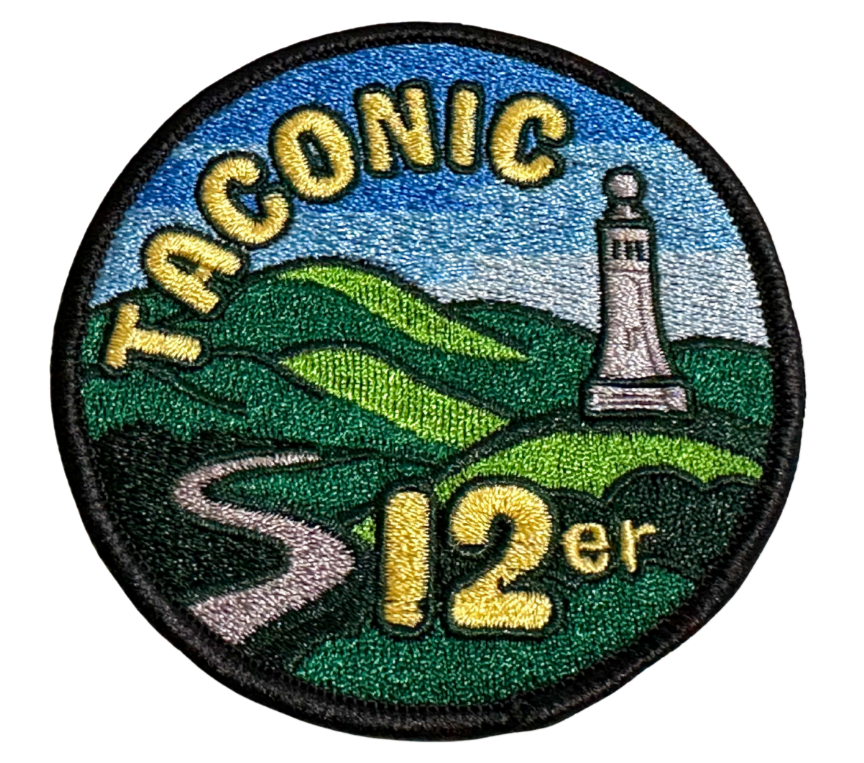
TACONIC 12er CHALLENGE
There is a new Challenge to hike twelve mountains with impressive views within the Taconic Range, the Taconic 12er Challenge. So, if you want a challenge, you need another patch or you just want to explore and enjoy the views this challenge may be for you.
The mountains include the following. In the Southern Taconics: Alander-MA, Bear-CT, Brace-NY, Everett-MA, and Frissell-MA. In the central area: Beebe Hill-NY, Lenox Mtn- MA, and Greylock-MA. In the northern section: Antone-VT, Equinox-VT, Haystack-VT and Zion Hill-VT.
Having hiked ten of these I agree that these are well worth the hike! I am heading to Vermont in 2026 to do the other two.
As a “Thank You’ for all the Club does to maintain Taconic Crest Trail, David, the creator of the 12er Challenge is offering a 40% discount to THC members who apply for a 12er patch. Include “THCMEMBER40” in your registration.
WOOD WIDE WEB
What’s going on beneath our feet as we tramp through our landscape?
When we walk in the woods, we look at the trees, the views, the water sources, and the ground we walk on. But what are we really walking on? Do we know what’s UNDER our feet, what is going on down there?
Over the past several decades, scientists have begun to look at what’s happening under the soil, within the tree roots, and among the living things that inhabit the underground world. The results of their studies are astounding. They have discovered and named the phenomenon they witness the Wood Wide Web.
What is that? The “Wood Wide Web” refers to a complex underground social network of roots, fungi, and bacteria that connects trees and plants within a forest. The term describes common mycorrhizal networks that allow trees to communicate and share resources, much like the human internet, often challenging the traditional view of a forest as a group of individual competitors.
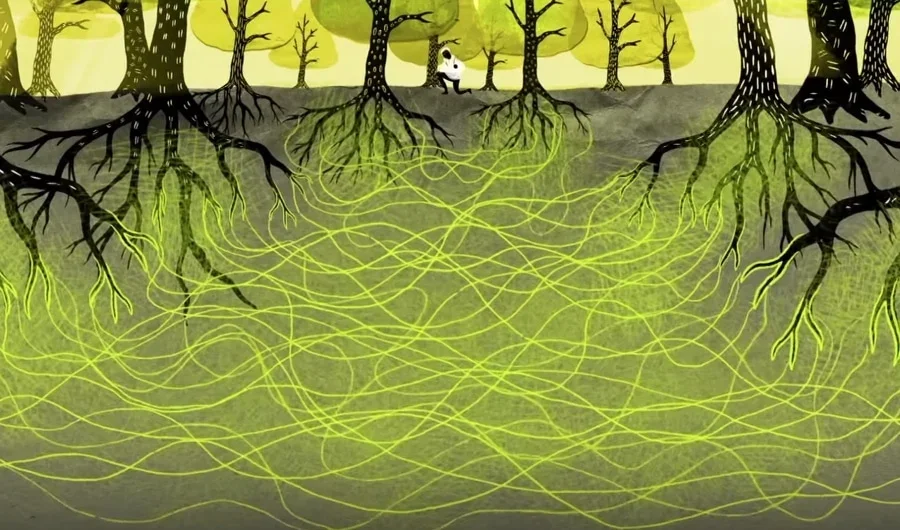
Underground network of mycorrhizal fungi
At the heart of this system are mycorrhizal fungi, which form a symbiotic relationship with trees. These fungi wrap around or penetrate plant roots, extending tiny threads called hyphae (collectively known as mycelium) deep into the soil. When most of us think of fungus, we imagine mushrooms sprouting out of the ground. Those mushrooms are in fact the fruiting body of fungi, the visible part that produces spores, which are the reproductive unit of fungi.
Trees provide the fungi with carbon-rich sugars produced through photosynthesis. In return, the fungi use their vast, thread-like filaments (called hypae) to absorb phosphorus and nitrogen from the soil, which they deliver back to the trees. A connection can be made between a single fungus and multiple trees, allowing for the transfer of water, nutrients, and chemical signals between different trees.

Mother tree
Mother Trees are the larger, older trees that often act as hubs for the network. Research by Dr. Suzanne Simard (author of Finding the Mother Tree) suggests these “mother trees” can identify their own kin and can channel extra nutrients to struggling saplings to help them survive. Further, when a tree is attacked by pests or disease, it can release chemical warning signals through the fungal network. Neighboring trees receive these “messages” and may proactively increase their production of defensive compounds. Even more amazing is that dying trees have been observed dumping their remaining resources back into the network to benefit the surrounding community before they perish.
Next time you’re walking in the forest, stop and think about the chemical transfers and activity going on beneath your feet. We are just beginning to understand these complex interdependencies. What the research shows is that our forests are sites for interconnectedness and community, which makes their preservation even more compelling and crucial to our forest health.
Read more about this and the chemistry involved in these books:
The Hidden Life of Trees, by Peter Wohlleben
Finding the Mother Tree, by Suzanne Simard
The Nature of Oaks, by Doug Tallamy
WHO REPORTED HIKING THE TCT IN 2025?
Those who apply for TCT cumulative trail patches are just a snapshot of those who use the trail. Most hikers enjoy day hikes on various sections of the trail and trail runners use the entire trail for practice. The Snow Hole continues to be the most popular day hike, followed by Berlin Mtn.
Twenty-three hikers and trail runners reported finishing the trail in 2025. Of these:
Seventeen completed the trail in one day while six completed the trail in sections.
Thirteen of those who hiked the entire trail in one day were hiking the trail as part of the “Northeast Ultra 8”.
The hikers were from New York and Massachusetts as well as Maryland.
If you are interested in taking on the fun challenge of hiking the entire trail in sections and enjoying the beauty of the various access trails or prefer to power though in one day, be it winter or summer, click here Trail Patches. If you just want to hike and explore some sections of the trail, click here for a TCT Trail Map & Guide.
Congratulations to all finishers!
OUTINGS: Refer to the THC website outings page for details about the outings and how to register. We schedule on a monthly and short-term basis, so check the website periodically.
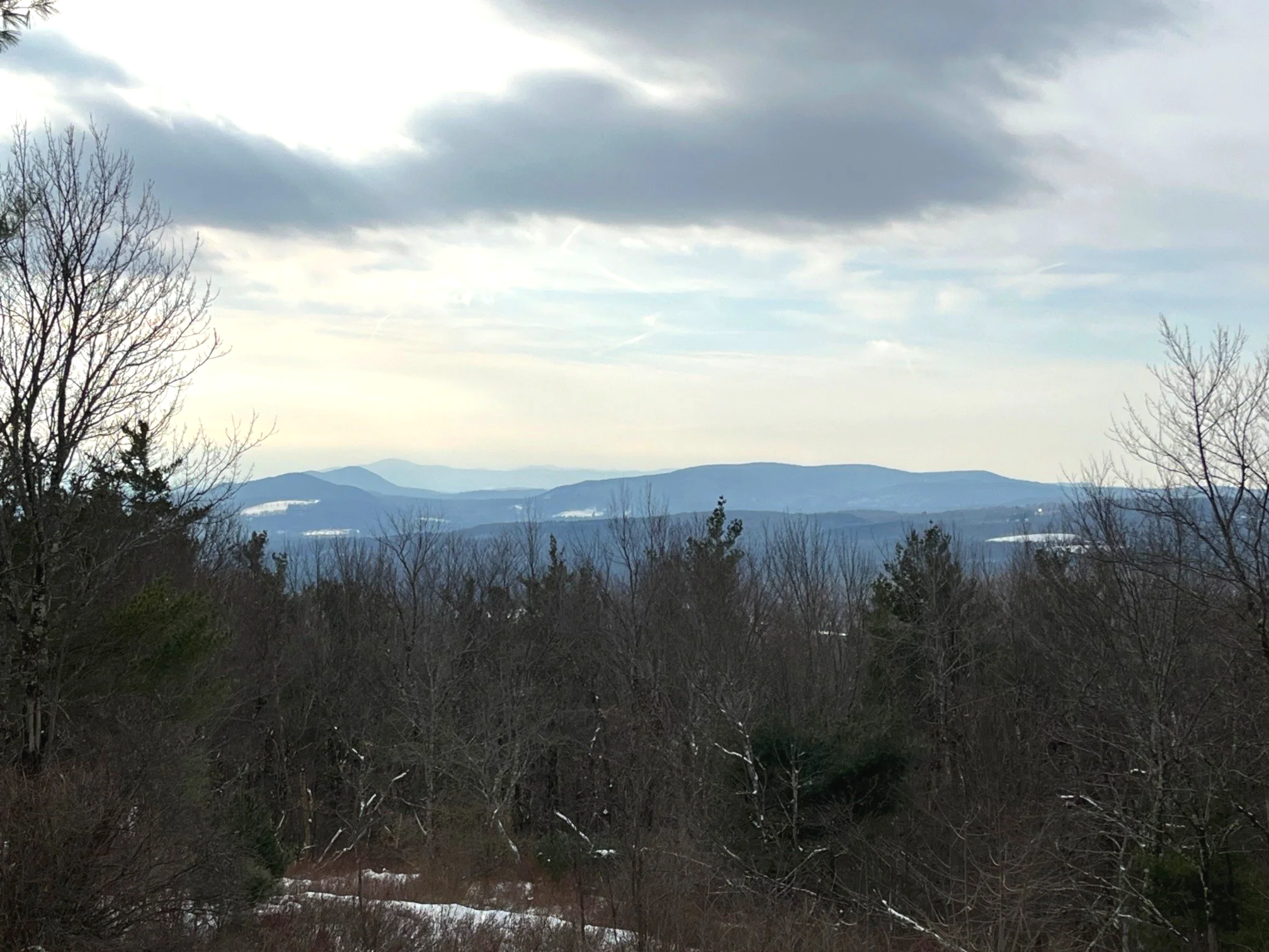
View from Richmond Overlook, pic by M Waldman
Friday, January 2: Berlin Mountain Hike B
Wednesday January 14: Equinox hiking/ski trails B
Saturday, January 17: Shaver Pond Loop - GLSP Winterfest pre-event hike
Wednesday, January 21: Windham High Peak B/B+
Friday, January 23: Albany Pine Bush – Madison Ave Pine Lands to DiCaprio Park RT B-
Wednesday, January 28: Grafton Lakes State Park, Mill Pond to Lily Pond B-/B
Wednesday, February 4: Plotterkill Preserve B-/B
QUOTE: “To appreciate the beauty of a snowflake, it is necessary to stand out in the cold.” — Aristotle
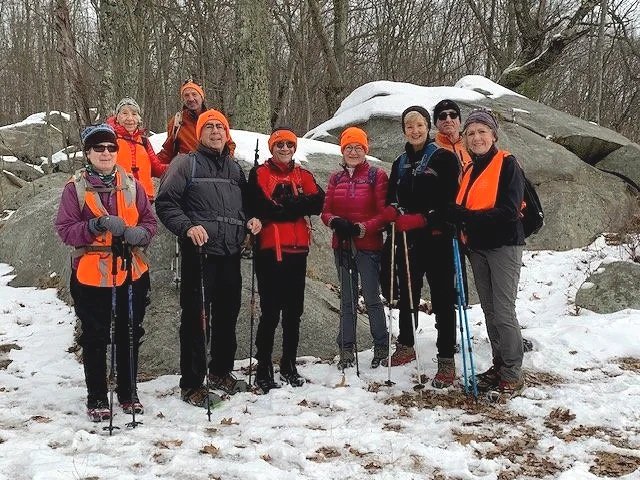
Boulder Rock, pic by L Nagengast
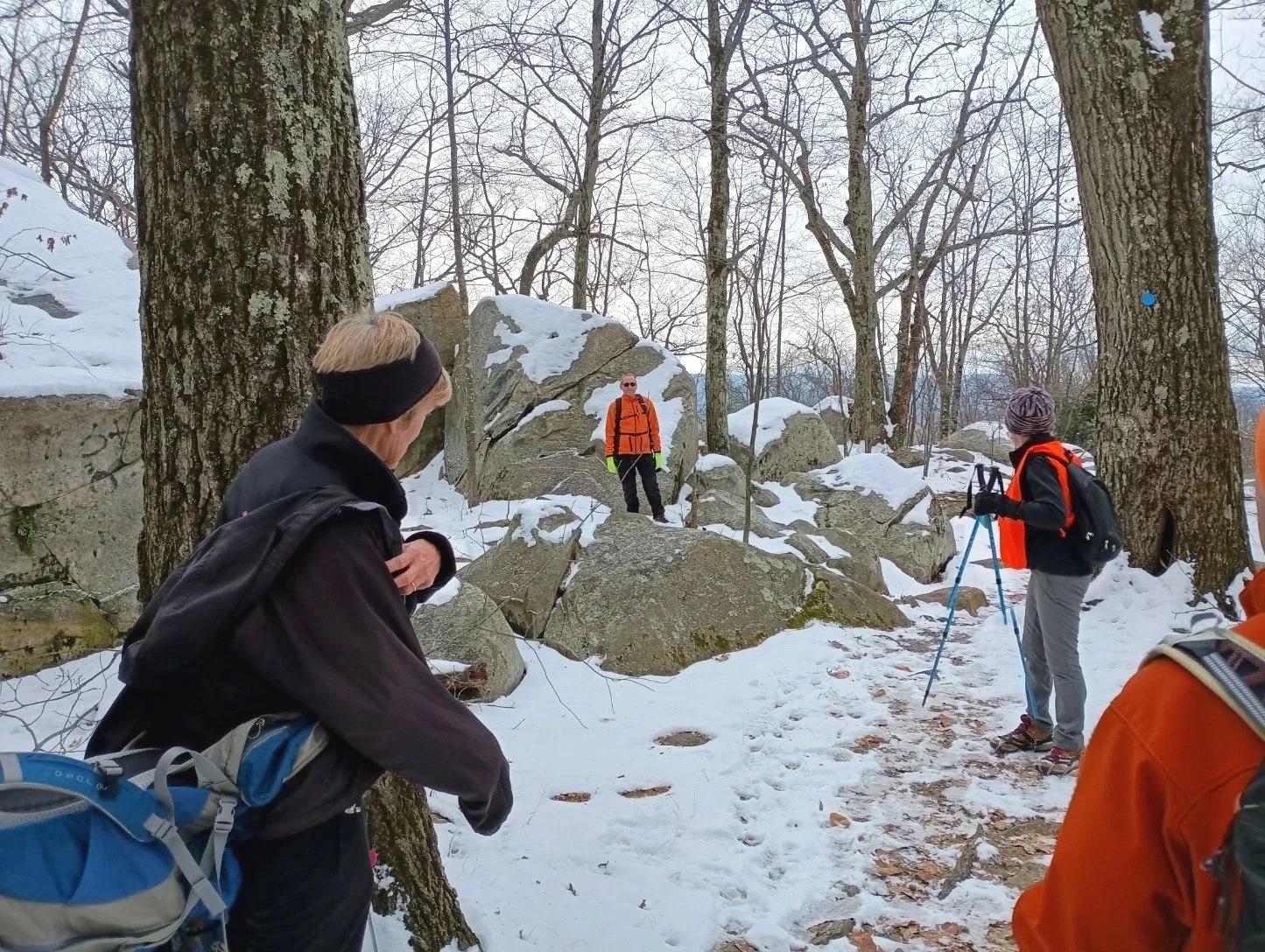
Boulder Rock, pic by L Nagengast
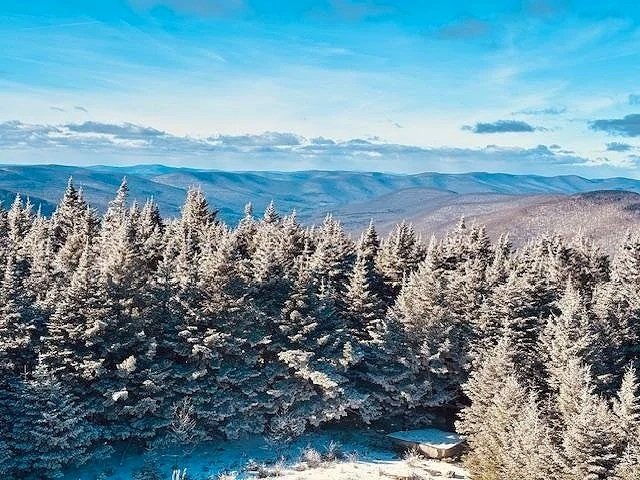
View from Hunter Mtn fire tower, pic by J Beringer
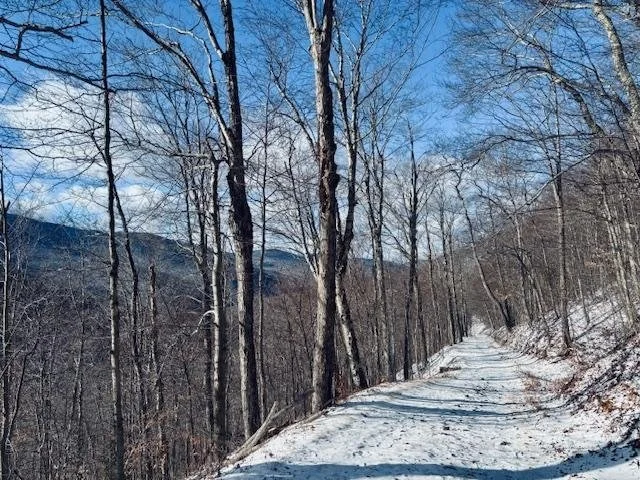
Hunter Mtn, Spruceton Trail, pic by J Beringer
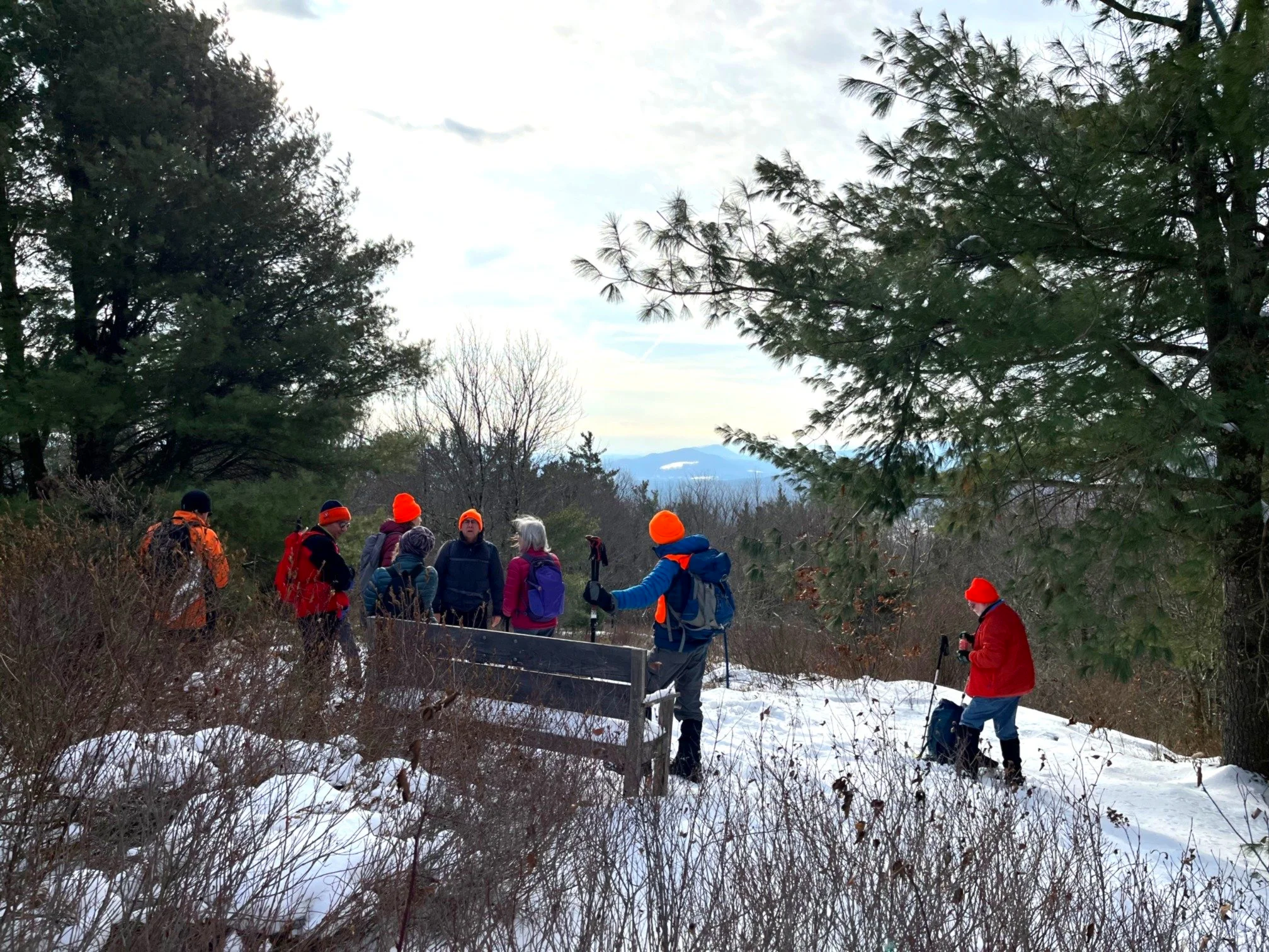
Richmond Overlook, pic by M Waldman
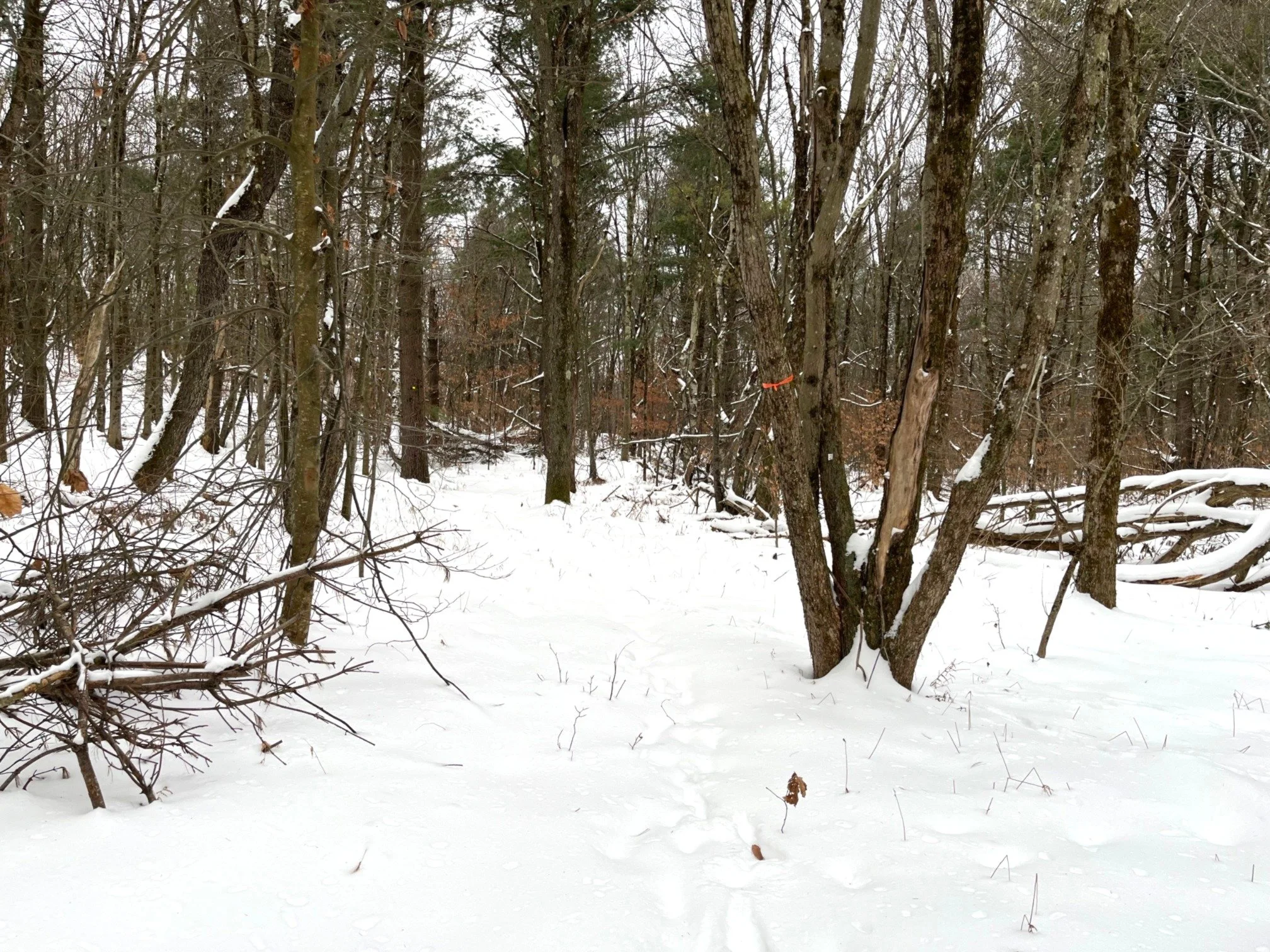
Trail to Perry’s Peak, only animal tracks in the snow, pic by M Waldman